
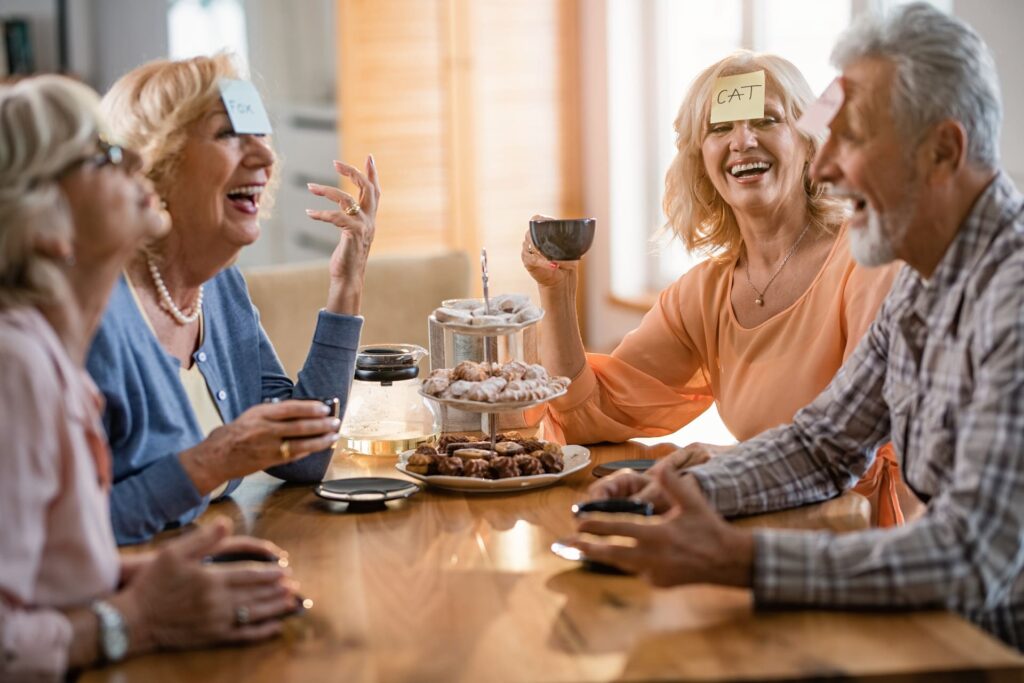
Relationships matter throughout life, but social connection can become especially important as we age. Retirement may change familiar routines. Friends may move away or become less available, while changes in physical health can make it harder to stay involved in the same social situations.
For older adults, these changes can gradually reduce everyday interaction. This is why social connection for seniors deserves attention as part of healthy aging. Staying connected helps older people maintain meaningful relationships, remain involved in their community, and continue experiencing a sense of belonging.
At Melody Living Lake in the Hills, social wellness is one of the 8 Dimensions of Wellness. Residents have opportunities to spend time with friends and loved ones, participate in resident-driven programs, and connect naturally through everyday community life.
Strong Social Connection for Seniors Becomes More Important as Life Changes
Many older adults experience changes to their social circles over time. Retirement may mean less regular contact with colleagues. Family members may have busy schedules or live farther away. Illness or disability can also make it more difficult to visit friends or participate in familiar activities.
These factors can make social connections less automatic than they were earlier in life.
Strong social connections help seniors remain engaged with the people around them. Regular social interaction can come through close relationships with family, conversations with neighbors, shared interests, or opportunities to meet new friends.
The goal is not to have a packed social calendar. What matters is having meaningful connections and people with whom life can be shared.
Healthy Aging Includes Social Well-Being
Healthy aging is about more than taking care of physical health. Social well-being also matters.
Having regular opportunities to connect can help older adults continue feeling involved in daily life. At Melody Living, residents can spend time together in community spaces, enjoy restaurant-style dining, participate in Life Enrichment programs, or take part in fitness and wellness classes. Independent living also includes shared lounges and a Community Life room where residents can gather with friends or visiting loved ones.
These everyday interactions matter because they make connections easier to maintain.
Some seniors may enjoy groups or community programs. Others may prefer a quiet conversation over food or time with a close friend. Social wellness should support each person’s preferences rather than create pressure to constantly participate.
Social Isolation Can Become a Health Risk for Older Adults
Social isolation can happen gradually.
A person may stop driving, lose regular contact with friends, or spend more time at home because of changes in health. Retirement can also remove social interaction that was previously built into everyday life.
Being comfortable alone is not the same as being socially isolated. The concern is when an older adult has fewer meaningful relationships or opportunities for interaction than they want.
Social isolation and loneliness are frequently discussed in relation to health, depression, cognitive decline, chronic conditions, and broader public health concerns. For seniors and family members, the important point is that social connection should be treated as an essential part of well-being rather than an optional activity.
Loved ones can help by paying attention to changes in a person’s social life and discussing whether they still feel connected to other people.
Social Connection Can Matter When Cognitive Needs Change
Changes in cognitive ability can make maintaining relationships more difficult. Someone experiencing cognitive decline or dementia may withdraw from social situations or need more support to engage comfortably.
Connection can still remain part of daily life.
Melody Living’s Memory Care neighborhood focuses on purposeful living within a secure environment, encouraging residents to engage according to their individual abilities.
The Melody Bridge Program also provides a more structured environment for residents with Mild Cognitive Impairment. A dedicated Life Enrichment Assistant leads specialized engagement programming seven days a week to help residents navigate their day with greater support.
The type of interaction may change as someone’s needs change, but the opportunity to connect with other people can remain meaningful.
Community Involvement Helps Build Stronger Social Connections
Community involvement can make it easier for seniors to maintain existing relationships and form new ones.
At Melody Living Lake in the Hills, residents help shape the Life Enrichment calendar according to their interests and wishes. Community members also have opportunities to maintain hobbies or explore new interests.
This approach can support what is sometimes called social capital, which refers to the value people gain through their relationships and connections with others.
For seniors, social capital can be as simple as recognizing neighbors, having people nearby to talk with, or feeling comfortable becoming involved in a program. Over time, those interactions can create a stronger sense of belonging.
Building Social Connections Should Feel Natural
Building social connections does not mean becoming more outgoing or changing your personality.
The best approach is to connect in ways that already feel comfortable. A senior who enjoys exercise may prefer a fitness class. Someone interested in learning may enjoy educational programs. Another person may simply value seeing familiar friends during meals.
Senior living can make these interactions easier because social opportunities are closer to home.
At Melody Living, shared spaces and resident-driven programs create opportunities to connect without requiring residents to plan every interaction themselves. Our community is designed to support social engagement while still respecting independence and personal choice.
Social Connection Remains an Important Part of Well-Being
Social connection matters more as seniors age because the circumstances that once made relationships easy to maintain can change. Retirement, physical limitations, changing family routines, or cognitive needs may reduce everyday interaction.
Remaining connected helps older adults continue participating in community life and maintaining relationships that matter to them.
Melody Living Lake in the Hills incorporates social wellness into its broader approach to resident well-being, creating opportunities for connection while allowing every resident to live at their own pace.
If you would like to explore a community where social connection is part of everyday life, contact Melody Living Lake in the Hills to learn more or schedule a personal tour.
Frequently Asked Questions
How much social interaction do seniors need?
There is no set amount that works for every person. The quality of relationships and whether an older adult feels socially fulfilled matter more than the number of activities they attend.
How common is social isolation among seniors, and why does social activity matter?
Social isolation is more common than many families realize, with 1 in 4 adults over age 65 considered socially isolated. Research has also found that higher levels of social activity may be associated with up to a 70% lower risk of cognitive decline. These findings reinforce why maintaining meaningful relationships and regular social interaction can be an important part of healthy aging.
Can family contact provide enough social connection for an older adult?
Family relationships are valuable, but some seniors also benefit from connections with friends, neighbors, or people who share their interests. A wider social circle can create more opportunities for everyday interaction.
How can someone make new friends after retirement?
Shared interests often make meeting new people easier. Community programs or regular activities can create repeated interactions that allow relationships to develop naturally over time.
Can someone enjoy senior living without participating in large groups?
Yes. Senior living does not require constant group participation. Residents can choose the social situations that suit them, including smaller gatherings or one-on-one interactions.
What should I look for when exploring a socially engaging senior living community?
Look beyond the number of activities on the calendar. Explore how residents influence programming, how easy it is to meet other people, and whether the environment supports both social engagement and personal choice.